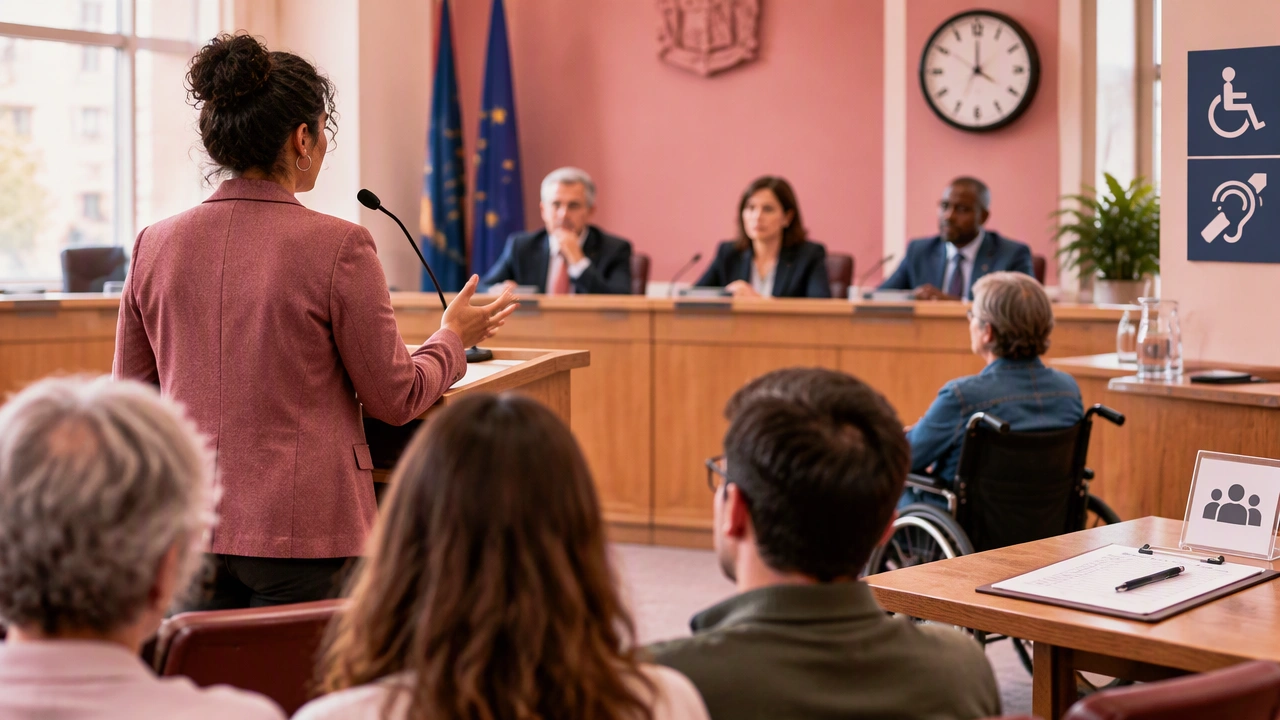
Who Can Speak at a Council Meeting: Rules, Time Limits, Sign-Ups, Accessibility, and Conduct
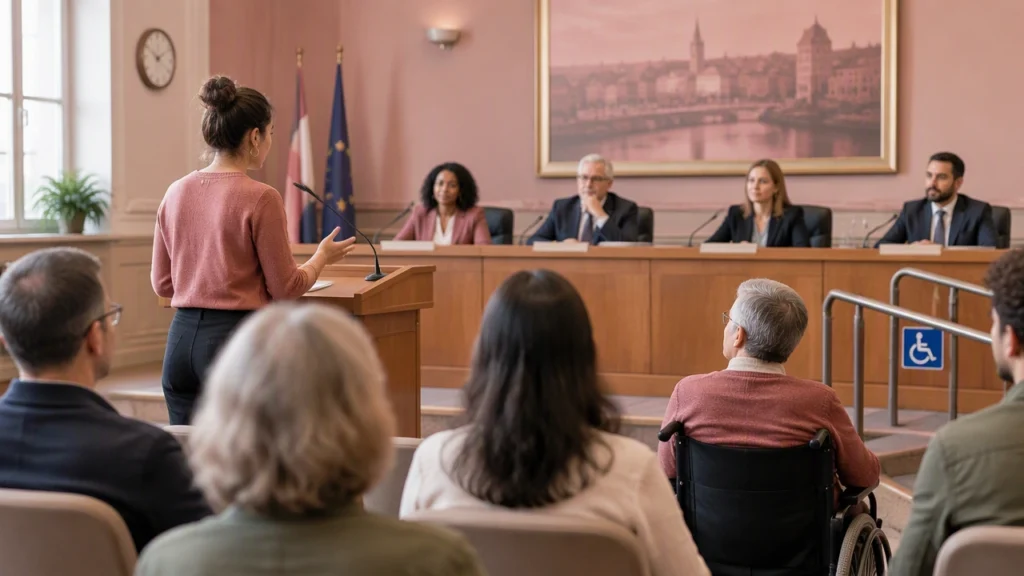
This guide offers practical civic education for residents who want to take part in local government. It clarifies who can speak at a council meeting and how to sign up, along with time limits, accessibility options, and the conduct expected during public comment periods.
Who can speak during public comment
Rules vary by city, county, or town, but the general pattern is similar. Public comment periods are open to community members who wish to address the council on items within its jurisdiction. Some jurisdictions allow anyone present to speak; others require speakers to live, work, or own property in the area. Some boards also allow non-residents to speak, while reserving certain decision-making items for residents only.
At many meetings, you may speak on agenda topics during the item’s dedicated comment time, or on general topics during an open public comment period. The clerk or chair will explain the process at the start of the meeting and may repeat it before each major item.
How to sign up to speak
Most councils use one or more of these methods:
- Online pre-registration: Many cities post a sign-up form on the meeting agenda page. You may need to submit your name, topic, and whether you will attend in person or remotely.
- Email or phone registration: Some clerks accept requests by email or phone before the deadline listed in the agenda.
- On-site sign-up: If allowed, you may sign in at the clerk’s desk before the meeting starts. Arrive early, as deadlines can be strict.
- Virtual or hybrid participation: Where hybrid meetings are offered, remote speakers may join by video or phone. Instructions are usually on the agenda, including how to “raise your hand” in the platform and when you will be unmuted.
Check the agenda for deadlines, required information, and any limits on the number of speakers. Some bodies cap the number of speakers per topic or per person to keep the meeting fair and on schedule.
Time limits and speaking order
Most councils give each speaker two to three minutes. Some allow longer comments for complex items, or permit written statements to extend the record without extending oral time. Speakers are usually called in the order they signed up. If you miss your name, the clerk may move to the next speaker and allow you to speak later if time remains.
Chairs may reset the clock for technical issues or allow a brief clarification at the end of your comment. If you are submitting a longer written statement, ask the clerk how to file it for the official record.
Accessibility and language access
Public meetings should be accessible to all. Many jurisdictions offer:
- Disability access: Wheelchair-accessible entrances and seating, assistive listening devices, and request-based accommodations such as sign language interpreters or real-time captioning.
- Language access: Interpretation in common local languages may be available if you request it in advance. Some councils provide translated agendas or summaries.
- Remote access: Live streams, phone participation, and online comment forms help residents who cannot attend in person.
Submit accommodation requests as early as possible. The agenda usually includes a contact for the clerk or ADA coordinator.
Conduct rules during public comment
Councils keep comment periods civil and focused. Common rules include:
- Speak to the board, not to individuals: Address the council as a body.
- No personal attacks or threats: Criticize policies or proposals, not people.
- Stay on topic: Comments should relate to items the council can decide or to general city business, depending on the meeting’s rules.
- Follow time and format rules: Stop when your time ends and avoid repetitive statements.
- No disruptions: Applause, chanting, or outbursts may be limited to preserve order. The chair may warn, pause, or recess the meeting if decorum breaks down.
These rules protect both free expression and the council’s ability to conduct business fairly.
What happens after you speak
Your comments become part of the public record. The council may respond with facts, clarify the process, or note that staff will follow up. Some bodies place public comments, written materials, and related correspondence on a portal for transparency. If you provide contact information, staff may reach out with answers or referrals.
Tips to make your comment effective
- Prepare a short outline: State who you are, the issue, and the action you support or oppose.
- Be specific: Reference agenda item numbers, locations, or budget impacts where possible.
- Offer solutions: Propose alternatives or ask targeted questions.
- Submit written materials: If your comment is detailed, file a written version for the record.
Where to find the rules for your council
Start with the meeting agenda and the council’s procedural rules or code of ordinances. City or county websites often publish a public comment policy, instructions for remote participation, and contact details for accommodations. If anything is unclear, call the clerk’s office before the meeting.
With a little preparation, you can participate with confidence, respect the meeting’s rules, and help your council hear the community’s views.